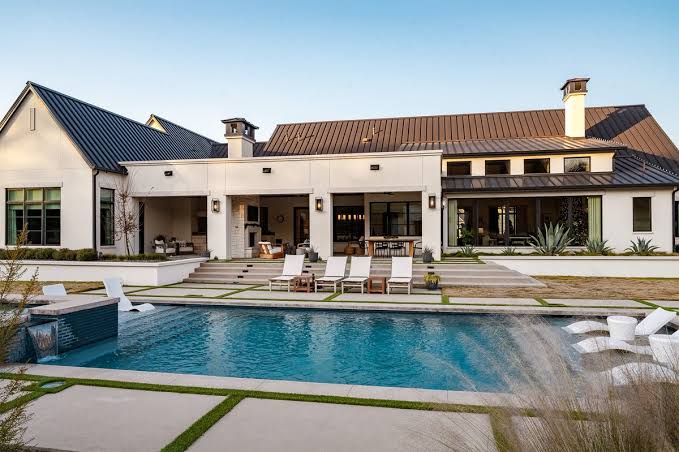
Deciding to create a home tailored entirely to your needs is a significant undertaking that requires balancing vision, functional requirements, and long-term value. For individuals looking into a builder for custom home projects, the process involves more than just selecting a construction firm; it requires finding a partner who can translate abstract concepts into a structurally sound and aesthetically cohesive living space.
The choice to build often stems from a desire for features that standard floor plans cannot accommodate, whether that includes specific room orientations to capture natural light, integrated smart home technology, or specialized spaces for personal hobbies. Understanding the difference between various types of construction professionals is the first step in this process.
Distinguishing Between Construction Models
The residential construction landscape typically features a few different approaches, each with its own benefits and considerations. Some firms focus on a semi-custom approach, where the structural layout is generally fixed, but clients have a wide range of finish and material choices. This can be an efficient path for those who want a personalized look without the complexities of a complete from-scratch design.
Conversely, a builder for custom home projects usually operates under a different structure, often working in conjunction with architects and designers to create a residence from the ground up. This model allows for greater flexibility in terms of floor plans, roof lines, and the use of unique building materials. For those specifically seeking builders luxury homes, the expectation typically shifts toward a higher degree of concierge-level service, meticulous attention to detail, and the management of high-end, sometimes artisanal, finishing processes.
These high-end projects often require a more sophisticated level of logistical coordination. Managing a site where custom millwork, imported stone, or bespoke lighting systems are being installed requires a team accustomed to complex schedules and stringent quality standards.
Factors That Influence the Partnership
When evaluating potential partners, several recurring themes emerge as indicators of a successful working relationship. These factors often determine whether the project proceeds smoothly or faces constant hurdles.
Communication and Transparency
A primary consideration is how the builder handles the flow of information. Throughout the construction process, there are typically many moving parts, and clear communication regarding progress, potential delays, and budget adjustments is essential. A professional who keeps detailed records and provides regular updates allows for better decision-making as the project evolves.
The Importance of Project Management
The actual construction process involves a series of sequential dependencies. For instance, the framing cannot proceed until the foundation has cured, and mechanical systems must be installed in a specific order to accommodate finish carpentry. Builders luxury homes are often judged by their ability to maintain this rhythm, ensuring that subcontractors are scheduled efficiently and that the site remains safe and organized. A disciplined approach to project management helps avoid the common pitfalls of overlapping trades and unfinished work.
Quality Assurance Processes
High-end residences often require non-standard construction techniques or the integration of sophisticated home automation systems. The builder’s role is to ensure these systems function as intended and that the quality of craftsmanship meets the client’s expectations. This often involves rigorous internal checks at various milestones—such as after framing, once electrical and plumbing rough-ins are complete, and before walls are closed—to identify and correct any issues early.
Aligning the Builder’s Expertise With Your Objectives
To ensure a project remains successful, it is helpful to look for evidence of how a potential firm has handled similar challenges in the past. When interviewing potential companies, consider asking how they manage the design-to-build transition. Does the firm offer collaborative design services, or do they prefer to work from plans already finalized by an external architect? Both models have advantages, but the key is finding one that aligns with your preferred level of involvement.
Another essential consideration is how the team approaches site-specific conditions. Every piece of land presents unique considerations, such as soil composition, drainage, or views that should be prioritized. A builder who demonstrates a thoughtful approach to these environmental factors is often better prepared to avoid expensive changes later in the build.
Furthermore, consider the firm’s experience with the local regulatory and permitting environment. While every region has its own processes, a builder with a strong grasp of how local requirements interact with construction schedules can help prevent unnecessary delays. Asking a provider how they navigate these procedural aspects can give you insight into their level of experience and their commitment to keeping the project moving according to plan.
Finally, think about how you prefer to handle the selection of finishes. Some homeowners find the process of choosing every fixture, tile, and paint color exhilarating, while others prefer to have a design consultant narrow down the options. A builder for custom home projects will typically have a preferred workflow for these selections. Identifying a partner whose process matches your capacity for decision-making will make the entire experience much more manageable.
Making an Informed Decision
Embarking on a custom project is a journey that lasts through many seasons. The quality of the final result is usually a reflection of the initial planning, the clarity of the agreements made, and the strength of the relationship between the homeowner and the building team.
When reviewing the qualifications of builders luxury homes, look for a demonstrated history of consistency. The most reliable indicator of future performance is a pattern of well-executed projects where the final outcome closely matches the original vision. Take the time to observe how a potential partner describes their process and how they frame the inevitable challenges that arise during construction. A professional who speaks openly about the realities of building, including the trade-offs and the importance of thorough planning, is often the one best equipped to deliver a home that meets your standards.
By focusing on clear communication, disciplined management, and a shared understanding of your goals, you can navigate the selection process with confidence. Trusting your judgment in identifying a partner who values your input and prioritizes structural integrity alongside aesthetic design is the most important step in turning your vision into a reality.
